Species: Tilia platyphyllos Scop., Genus: Tilia, Family: Tiliaceae, Group: Angiosperms

(Tilia platyphyllos Scop.)
-> Genus: Tilia -> Family: Tiliaceae -> Group: Angiosperms

Habitus

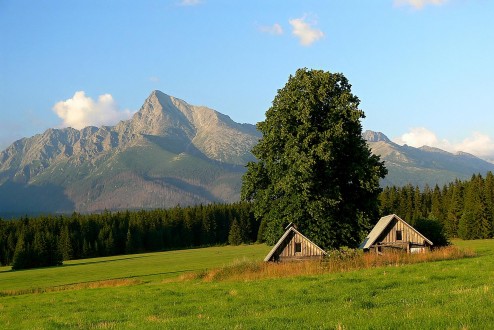
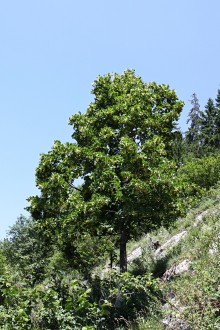
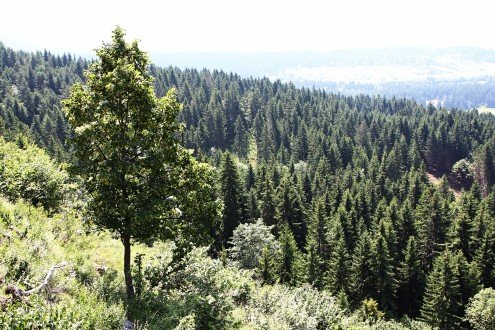
  • it is a tree 30 - 40 m high, crown is broadly ovate to round (spreading)
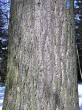
  • bark red-brown to brown-grey
  • the bark is initially grey, later blackish, longitudinally cracked, the cracks are more pronounced than in the Tilia cordata

Buds

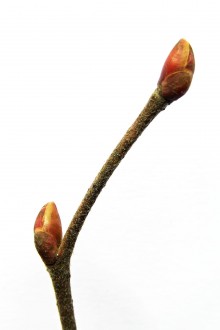
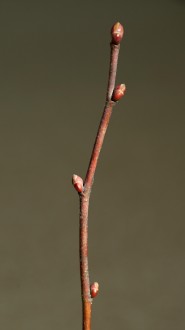
  • bud arrangement is spiral - alternate
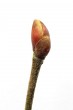
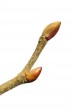
  • buds are ovoid, blunt or slightly pointed, sessile, 7 - 10 x 5 - 6 mm in size
  • covering scales are two (exceptionally three), the outer (lower) scale is relatively smaller than in the Tilia cordata, it does not even reach half the length of the bud

Shoots

  • shoots are round, broken at the point of budding, thicker on average than in Tilia cordata, they are yellow-brown to reddish-brown
  • lenticels are small, linear, whitish

Leaves (assimilation organs)

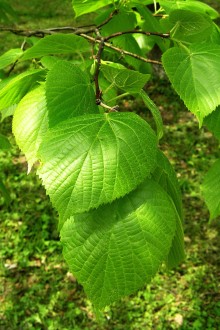
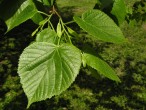
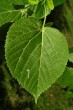
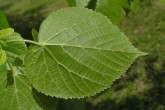
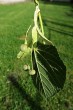
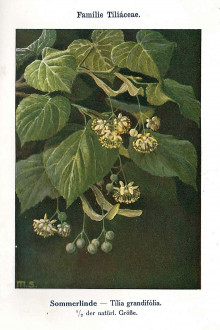
  • the leaves are simple, broadly cordate, short-pointed, at the base asymmetrical
  • the margin is sharply serrate to toothed
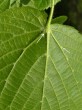
  • the upper side is dark green, glabrous or hairy, the lower side is yellowish green, glabrous or hairy, densely hairy on the veins
  • the veins of the third order are prominent, parallel !
  • the petiole is glabrous or hairy, 2 – 2.5 cm long
  • in the axils of the veins on the reverse side there are tufts of white hairs

Flowers

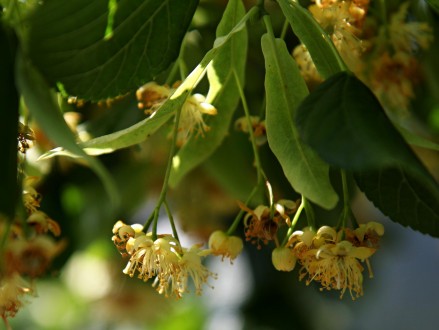
  • it is a monosexual tree with bisexual flowers
  • it flowers in June, about 14 days earlier than Tilia cordata
  • flowers are similar to small-leaved lime, but they are grouped only in 2 to 3 ! in drooping spikes on a long stalk with tongue-like bracts

Fruits – seeds

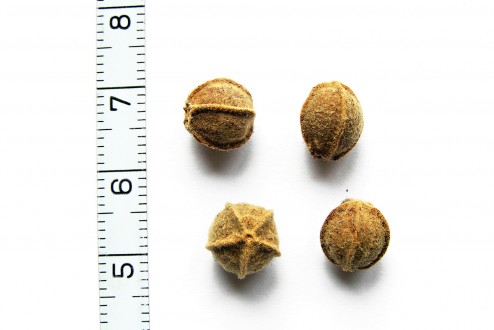
  • the fruit is a spherical to broadly ovoid nut 1 cm large with 4 - 5 more or less protruding ribs !
  • the pericarp is woody, firm, grey, densely felted, it cannot be crushed with fingers

Extension

  • originally in Central and Southern Europe, eastwards to approximately Kharkov (Ukraine), it is absent in the north
  • in Slovakia it grows on average from 500 to 800 m above the sea level, (max. 1,350 m above the sea level) together with other valuable broadleaf trees
  • it is rare in the lowlands, its presence increases at higher altitudes in the east-west direction
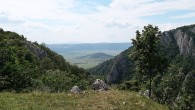
  • it mainly grows on ridges and rocky slopes

Ecology

  • it has similar environmental requirements as the Tilia cordata

Significance

  • similar to the small-leaved lime tree
  • lindens are generally "iconic trees"
  • it tolerates urban environments and is therefore common in urban greenery - lime tree alleys
  • many decorative forms are known (yellow-leaved, striated-leaved, columnar, ...)
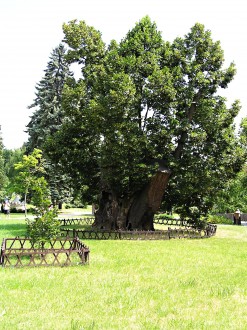
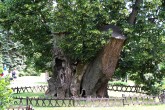
  • among the most famous is the "King Matthew's Lime Tree" in the Bojnice Castle park - it is more than 700 years old, the trunk circumference is 11 m, the tree height is 9 m and the crown diameter is 5 m, the King Matthew's Lime Tree is a rare monument and botanically important tree and is protected by the state, since 1962 it has been declared a protected natural creation

From history

Support atlasdrevin.sk

Súbory cookies:

S cieľom zabezpečiť riadne fungovanie tejto webovej lokality ukladáme niekedy na vašom zariadení malé dátové súbory, tzv. cookie.
Ak povolíte všetky cookies a navštívite nás nabudúce, pripojíte sa vďaka ním rýchlejšie, a náš web vám ponúkne relevantné informácie a umožní vám počas objednávky jednoduchšie vyplniť vaše údaje. Súbory cookies používame najmä na anonymnú analýzu návštevnosti a vylepšovania našich stránok. Ak sa rozhodnete neakceptovať cookies, nebudete môcť používať niektoré funkcie na našej webovej stránke.

Akceptovať všetky cookies