Species: Acer pseudoplatanus L., Genus: Acer, Family: Sapindaceae, Group: Angiosperms

(Acer pseudoplatanus L.)
-> Genus: Acer -> Family: Sapindaceae -> Group: Angiosperms

Habitus

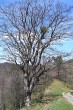
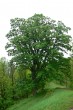
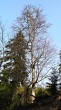
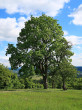
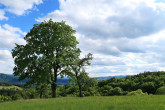
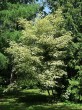
  • it is a massive tree 30 - 40 m high,  the crown is ovoid, widely spreading to domed
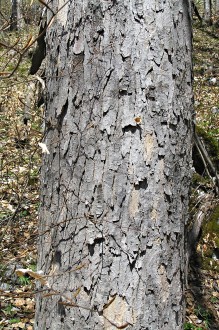
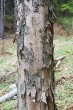
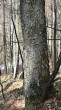
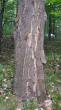
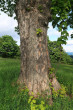
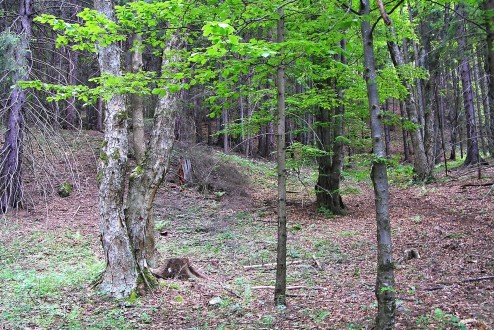
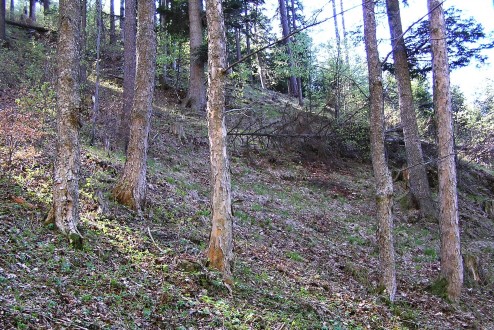
  • the bark is grey to brownish-grey, smooth
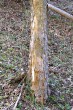
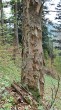
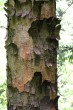
  • the bark is grey, pinkish to brownish, very variable, it cracks and peels off in various forms (plane-like bark type):
    • oval
    • rectangular
    • tongue-shaped
    • irregular large plates

Buds

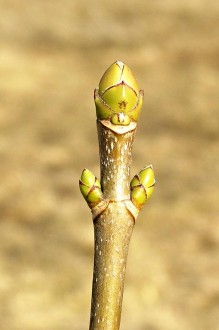
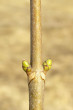
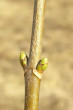
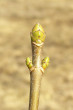
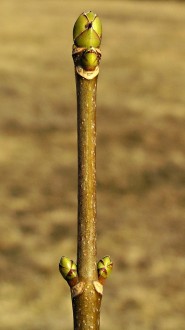
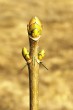
  • the arrangement of buds on the shoot on the twig is crosswise (directly) opposite
  • the buds themselves are ovate, pointed, the terminal one is larger, the lateral ones stand out slightly from the twig
  • the covering scales are two-colored – green with a brown margin

Shoots

  • shoots are straight, relatively thick, greenish-grey, later grey-brown
  • leaf scars do not touch each other !

Leaves (assimilation organs)

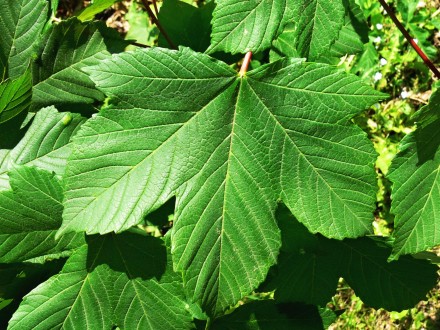
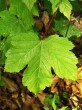
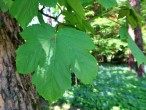
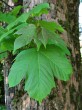
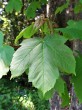
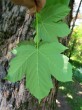
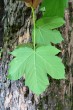
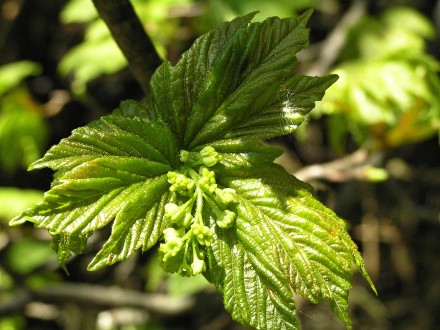
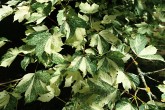
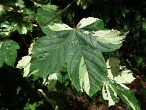
  • the leaves are simple, 10 - 15 cm large, divided, palmately 5 - lobed to notched, individual lobes are blunt, notches are sharp !
  • the leaves are roughly doubly serrate along the margin
  • the upper side is wrinkled, glabrous
  • the lower side is grey-green, tomentose when young
  • the stem is 10 - 15 cm long

Flowers

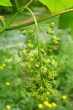
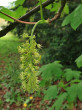
  • it is a monosexual tree, flowers are bisexual, yellow-green, small
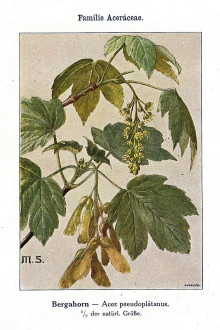
  • flowers are grouped in hanging panicles 5 - 15 cm long
  • it flowers in May after the leaves emerge

Fruits – seeds

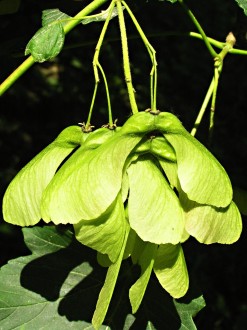
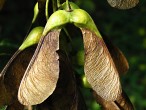
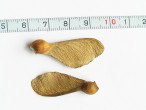
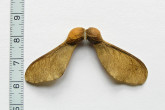
  • the fruit is a winged dicotyledon fused mostly at an acute angle
  • the wings are greenish to reddish, brown when ripe, 2 - 6 cm long
  • the seeds are convex to round, they ripen in IX
  • germination is 50 - 70%
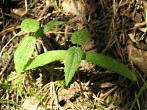
  • Seedling:
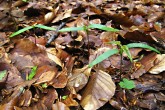
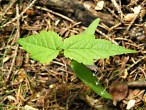
    • the cotyledons are smooth without transverse folds, ligulate, narrowed upwards, without a distinct rib with three parallel veins (unlike ash)
    • the first leaves are petiolate, oblong-cordate, pointed, wrinkled, without lobes, but with a serrated margin

Extension

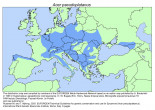
  • in Southern and Central Europe, its occurrence is sporadic and rises from the north to the south of Europe
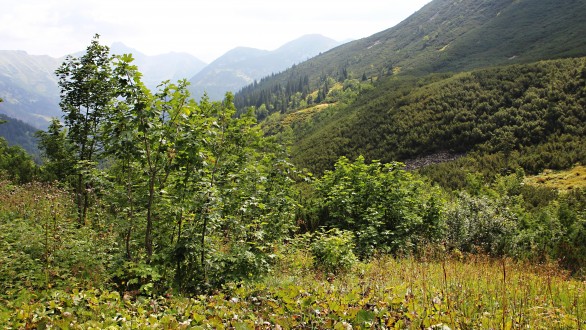
  • in Slovakia from 240 m a.s.l. (foothills of the Little Carpathians) up to 1,240–1,560 m a.s.l. - to the upper forest border (e.g. Tomanová valley, Western Tatras)
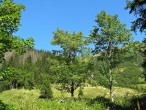
  • it grows as islands or as a mixed tree on ridges and scree in the ends of valleys and ravines together with European ash (Fraxinus excelsior), European elm (Ulmus glabra) and species of the linden genus (Tilia)

Ecology

  • it is a semi-shaded tree with high demands on soil and air humidity and the content of nutrients in the soil - mainly nitrogen
  • it is a relatively frost-resistant tree
  • it is a type of humid mountain climate of oceanic character

Significance

  • it is an important land improvement tree
  • it is valuable as a park tree, especially its colored cultivars:
    • yellow
    • red
    • yellow marbled (f. Leopoldii)

• the wood is heartless, light, hard, high-quality - valuable (eye maple, forms with a silky sheen, ...)

From history

Support atlasdrevin.sk

Súbory cookies:

S cieľom zabezpečiť riadne fungovanie tejto webovej lokality ukladáme niekedy na vašom zariadení malé dátové súbory, tzv. cookie.
Ak povolíte všetky cookies a navštívite nás nabudúce, pripojíte sa vďaka ním rýchlejšie, a náš web vám ponúkne relevantné informácie a umožní vám počas objednávky jednoduchšie vyplniť vaše údaje. Súbory cookies používame najmä na anonymnú analýzu návštevnosti a vylepšovania našich stránok. Ak sa rozhodnete neakceptovať cookies, nebudete môcť používať niektoré funkcie na našej webovej stránke.

Akceptovať všetky cookies