Species: Acer campestre L., Genus: Acer, Family: Sapindaceae, Group: Angiosperms

(Acer campestre L.)
-> Genus: Acer -> Family: Sapindaceae -> Group: Angiosperms

Habitus

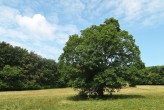
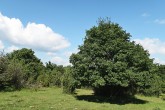
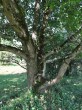
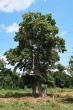
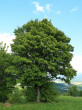
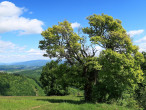
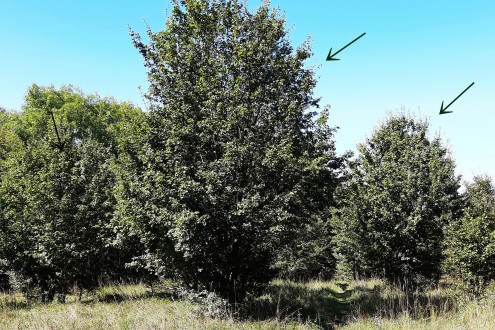
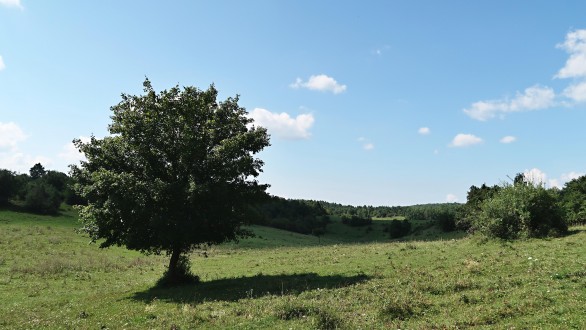
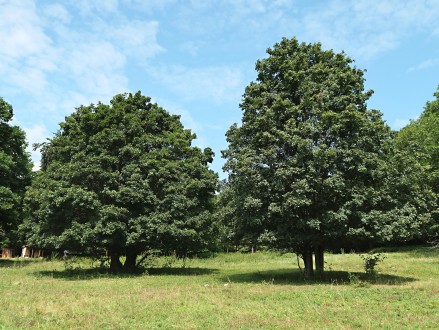
  • it is a shrub to tree 15 - 20 m high, crown is dense, irregularly wide
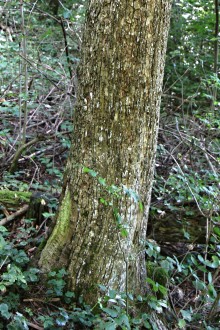
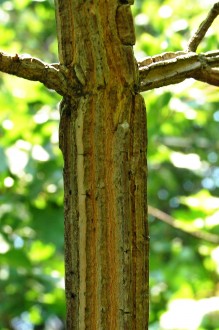
  • bark light brown to rusty brown
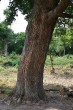
  • bork is yellow-grey to dark brown-grey, cracked into rectangular plates,  cracks are relatively shallow

Buds

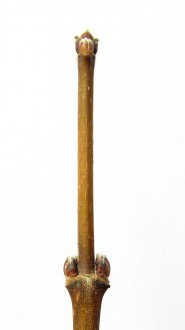
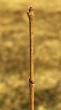
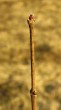
  • buds are  arranged crosswise, they are relatively small, obtusely ovate
  • covering scales are brown with a darker - rusty brown margin, whitish tomentose at the end

Shoots

  • summer shoots are  relatively thin, light brown
  • young shoots are hairy later glabrous
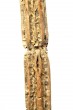
  • sometimes more or less pronounced corky strips form on two-year-old and older shoots ! (suberosa form)

Leaves (assimilation organs)

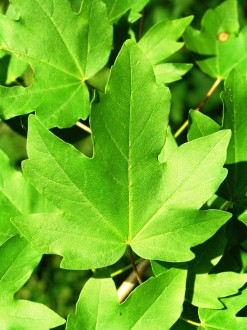
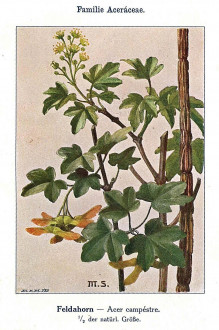
  • the leaves are simple, palmately 3 - 5 lobed, entire margin, 3 - 7 x 4 - 10 cm large
  • the lobes and notches are blunt, ± rounded, the central lobe is clearly longer than wide
  • the petiole is 2 - 5 cm long

Flowers

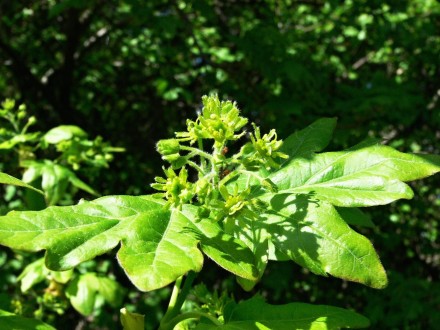
  • it is a monoecious tree with bisexual flowers, yellow-green, they grow in upright panicles at the ends of branches
  • it flowers in IV – V simultaneously with foliage

Fruits – seeds

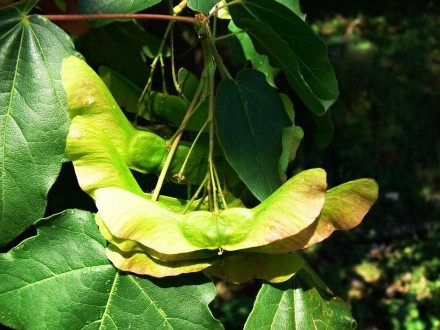
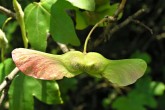
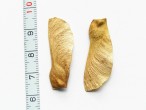
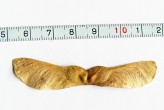
  • the fruit is a winged dioecious, the wings are at right angles, sometimes they are even arched
  • the wings are green to reddish, the achenes are compressed

Extension

  • in almost all of Europe (including the British Isles) except for northern and northeastern Europe
  • in Slovakia  - from the lowest elevations to an average of 700 m above the sea level
  • it is a tree species of lowlands to hilly areas
  • it grows in significantly different conditions:
    • warm, dry forest-steppe habitats – individuals of shrubby growth
    • hard floodplain forest in the company of pedunculate oak (Quercus robur), where it grows to the size of a tree

Ecology

  • it is a semi-shaded tree, relatively thermophilic, but also frost-resistant
  • it tolerates drought well, but also saline soils

Significance

  • it is suitable for tree rows and hedges
  • it is a groundcover, it excels in its high vigor and regenerative ability
  • forms with golden yellow and white-spotted leaves are known

From history

Support atlasdrevin.sk

Súbory cookies:

S cieľom zabezpečiť riadne fungovanie tejto webovej lokality ukladáme niekedy na vašom zariadení malé dátové súbory, tzv. cookie.
Ak povolíte všetky cookies a navštívite nás nabudúce, pripojíte sa vďaka ním rýchlejšie, a náš web vám ponúkne relevantné informácie a umožní vám počas objednávky jednoduchšie vyplniť vaše údaje. Súbory cookies používame najmä na anonymnú analýzu návštevnosti a vylepšovania našich stránok. Ak sa rozhodnete neakceptovať cookies, nebudete môcť používať niektoré funkcie na našej webovej stránke.

Akceptovať všetky cookies