Species: Acer tataricum L., Genus: Acer, Family: Sapindaceae, Group: Angiosperms

(Acer tataricum L.)
-> Genus: Acer -> Family: Sapindaceae -> Group: Angiosperms

Habitus

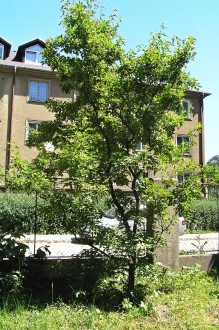
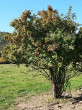
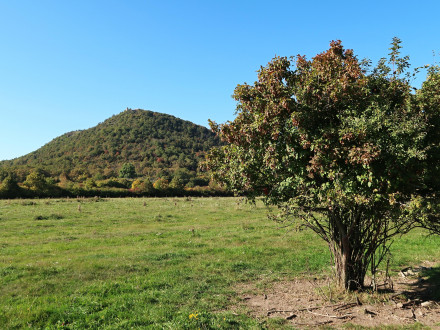
  • it is a shrub to small tree growing to a height of 5 - 12 m
  • crown is irregular, dense
  • bark is dark grey to blackish, finely fissured in older age

Buds

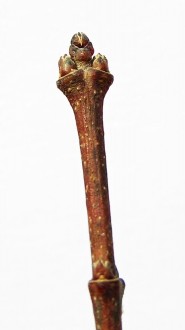
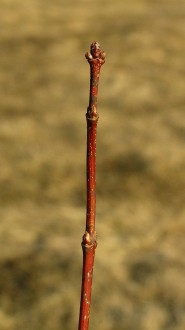
  • buds are arranged in a crosswise opposite manner
  • individual buds are ovoid, relatively small
  • the covering scales are dark red with a blackish margin, glabrous

Shoots

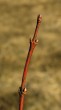
  • shoots are relatively thin, straight, brownish-red, glabrous, later greyish

Leaves (assimilation organs)

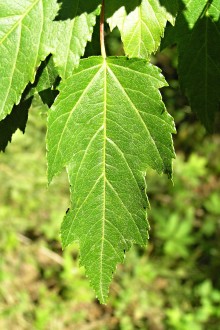
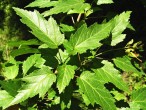
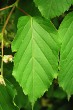
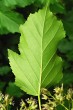
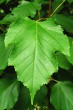
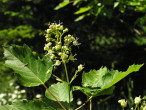
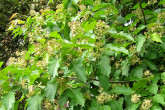
  • the leaves are simple, pinnate, ovate to broadly ovate in basic shape, pointed at the end, 6 - 10 x 2 - 5 cm in size
  • the margin is twice serrate,  without lobes, or with hints of 2 - 4 lobes, which can rarely be more pronounced

Flowers

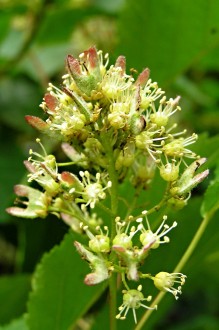
  • it is a monoecious tree, flowers are bisexual, yellow-green, aromatic
  • they grow on long stalks in upright ovoid panicles at the ends of branches
  • it blooms in May – June after foliage emerges

Fruits – seeds

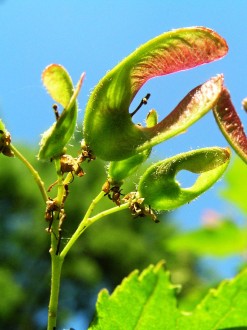
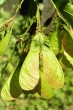
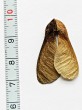
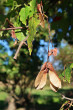
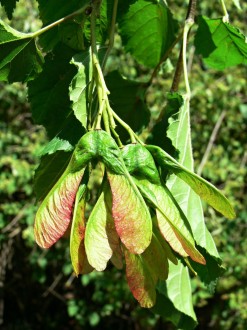
  • the fruit is a winged dioecious achene fused at an acute angle
  • the achenes are round, slightly compressed
  • the wings are 3 - 4 cm long, curved inwards, so that they almost overlap
  • before ripening, the achenes are crimson red, erect, after ripening they are brown, hanging

Extension

  • it is originally widespread in southeastern Europe, the distribution area is quite patchy
  • its maximum occurrence is in the east beyond the range of common hornbeam (Carpinus betulus) in an area with a continental climate
  • in Slovakia it grows from the lowest elevations to approximately 430 m above the sea level
  • the northern boundary of its distribution passes through southern and southeastern Slovakia
  • it is an important tree species of forest-steppe and forms an admixture in the undergrowth of warm southern oaks, but also in floodplain forests

Ecology

  • it is a semi-shaded tree resistant to low temperatures and drought
  • it is undemanding to soil

Significance

  • it is a park tree ornamental with flowers and later also fruits
  • due to its resistance to drought and frost it is suitable for landscaping works
Support atlasdrevin.sk

Súbory cookies:

S cieľom zabezpečiť riadne fungovanie tejto webovej lokality ukladáme niekedy na vašom zariadení malé dátové súbory, tzv. cookie.
Ak povolíte všetky cookies a navštívite nás nabudúce, pripojíte sa vďaka ním rýchlejšie, a náš web vám ponúkne relevantné informácie a umožní vám počas objednávky jednoduchšie vyplniť vaše údaje. Súbory cookies používame najmä na anonymnú analýzu návštevnosti a vylepšovania našich stránok. Ak sa rozhodnete neakceptovať cookies, nebudete môcť používať niektoré funkcie na našej webovej stránke.

Akceptovať všetky cookies