Species: Cornus mas L., Genus: Cornus, Family: Cornaceae, Group: Angiosperms

(Cornus mas L.)
-> Genus: Cornus -> Family: Cornaceae -> Group: Angiosperms

Habitus

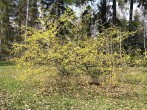
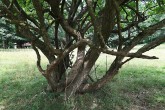
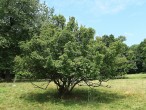
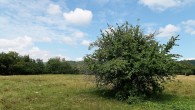
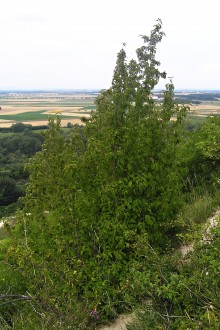
  • it is a shrub 2 - 6 m high, rarely up to 9 m high tree
  • crown is wide, irregular
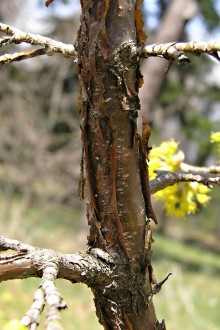
  • bark is light brown, later dark brown
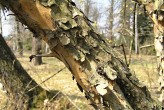
  • bork is grey-brown to blackish, longitudinally reticulately cracked, edges diverge from the trunk
  • on older individuals it is light yellowish-grey and forms fine rectangular plates

Buds

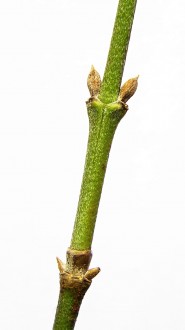
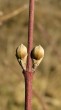
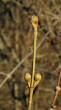
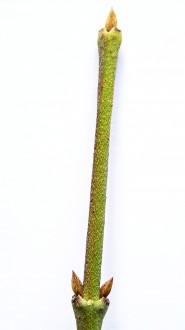
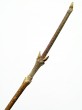
  • buds are opposite
  • it has two types of buds:
    • leaf buds – are narrowly conical, pointed, sessile, the bract scales are two green or reddish, greyish tomentose, the lateral buds are turned away at an angle of 45°
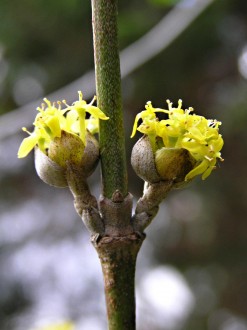
    • flower buds – spherical, 5 - 7 mm large, shortly pointed at the top, stalked, the bract scales are multiple, grow on brachyblasts

Shoots

  • shoots are  straight, initially slightly angular,  olive green, or brown to reddish on the sunlit side, acuminately hairy

Leaves (assimilation organs)

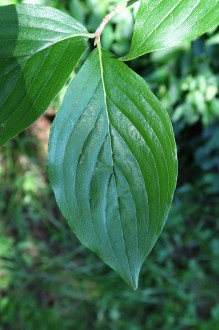
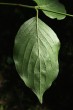
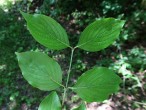
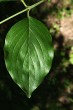
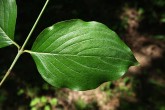
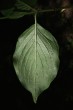
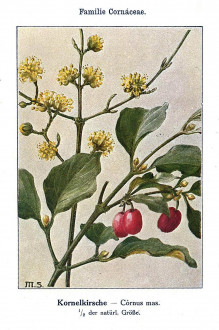
  • the leaves are simple, entire (marginal integrity), relatively variable, ovate-lanceolate to elliptical, 4 - 11 x 3 - 5 cm large
  • the leaves are pointed at the end, the 3rd order venation is indistinct - hardly noticeable !
  • the petiole is whitish-hairy, 0.5 - 1 cm long

Flowers

  • it is a monosexual tree with bisexual flowers
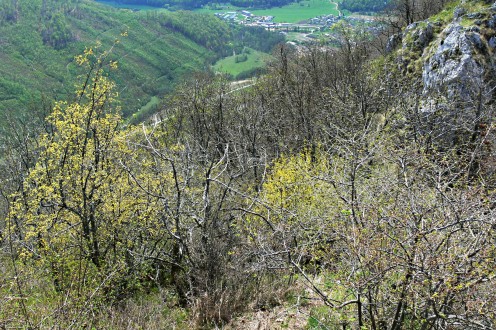
  • it flowers relatively early – in March before the leaves develop
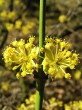
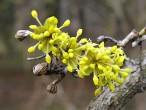
  • flowers are golden yellow, they grow in dense umbels on a 5 - 8 mm long stalk

Fruits – seeds

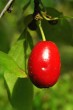
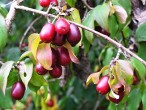
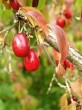
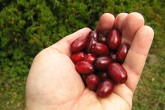
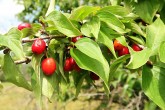
  • the fruit is an ellipsoid or barrel-shaped drupe (stone fruit), red in color
  • the stone fruit is 15 - 25 x 10 - 13 mm in size
  • the pulp is fleshy, sour
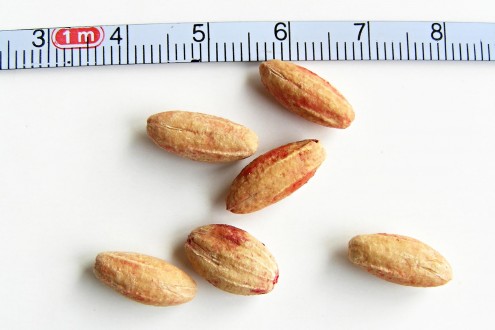
  • it contains one 1 - 1.5 cm large ellipsoid, yellow-brown stone, longitudinally slightly grooved on the surface
  • it ripens in X - XI

Extension

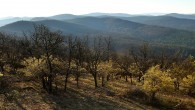
  • originally in central and southern Europe to Asia Minor (Caucasus)
  • in Slovakia from lowlands to 500 m a.s.l. (max. approx. to 800 m a.s.l.)
  • it grows mainly in forest-steppes, in dry and light-filled forests, especially in warm oak forests on rocky slopes, mainly on limestones

Ecology

  • it is a light-loving to semi-shaded woody plant, drought-tolerant, demanding on soil nutrients, sensitive to frost

Significance

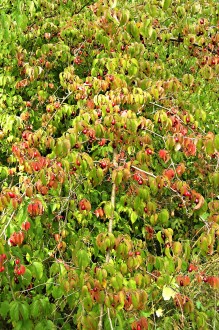
  • as an ornamental tree, valuable for its early flowering, red fruits and red-colored leaves in autumn
  • soil-protecting - especially on rocky slopes on limestone ground
  • fruit-bearing, the fruits contain a lot of vitamin "C"
  • also suitable for hedges - tolerates pruning

From history

Support atlasdrevin.sk

Súbory cookies:

S cieľom zabezpečiť riadne fungovanie tejto webovej lokality ukladáme niekedy na vašom zariadení malé dátové súbory, tzv. cookie.
Ak povolíte všetky cookies a navštívite nás nabudúce, pripojíte sa vďaka ním rýchlejšie, a náš web vám ponúkne relevantné informácie a umožní vám počas objednávky jednoduchšie vyplniť vaše údaje. Súbory cookies používame najmä na anonymnú analýzu návštevnosti a vylepšovania našich stránok. Ak sa rozhodnete neakceptovať cookies, nebudete môcť používať niektoré funkcie na našej webovej stránke.

Akceptovať všetky cookies